Ear, Nose, and Throat (ENT) is the branch of medicine that examines diseases of the organs located in the head and neck region. Structures such as the ears, nose, sinuses, throat, larynx, and thyroid fall within the field of ENT. Both surgical and medical methods are used in diagnosis and treatment.
ENT diseases include hearing loss, ear infections, sinusitis, allergic rhinitis, tonsillitis, and voice disorders. Difficulty swallowing and head and neck tumors are also evaluated within this field.
ENT doctors provide services across a wide range, from childhood adenoid and tonsil problems to chronic sinusitis and vertigo in adults. Early diagnosis of diseases plays a critical role in preventing complications.
ENT treatments include medication, surgery, and lifestyle modifications. Endoscopic sinus surgery, ear tube placement, and tonsil surgery are among the commonly performed surgical procedures. A multidisciplinary approach improves patient outcomes.
What Is Ear, Nose, and Throat (ENT)?
Ear, Nose, and Throat (ENT) is the medical specialty concerned with the diagnosis and treatment of diseases involving the ears, nose, throat, and the head and neck region. Hearing loss, sinusitis, tonsil infections, hoarseness, and head and neck tumors are within the scope of this field. ENT specialists perform evaluations using endoscopic examination, hearing tests, and imaging methods and create medical or surgical treatment plans.
Who Is an Ear, Nose, and Throat Specialist and In Which Areas Does a Good ENT Doctor in Istanbul Specialize?
An Ear, Nose, and Throat (ENT) specialist is a physician who completes five years of intensive surgical specialty training in this field after graduating from medical school. This process makes the physician not only a doctor who examines patients in an outpatient clinic but also a surgeon who performs highly delicate and complex operations in the operating room. For ENT doctors in Istanbul and all specialists throughout Türkiye, this specialty is divided into several main branches and requires a holistic approach.
The main fields in which an ENT specialist works are as follows:
- Otology/Neurotology: Covers all problems related to ear diseases, hearing, and balance systems.
- Rhinology: Includes all functional and aesthetic diseases of the nose and sinuses.
- Laryngology: Deals with disorders of the larynx, voice, and swallowing.
- Head and Neck Surgery: Manages the surgical treatment of benign or malignant tumors in the head and neck region.
- Facial Plastic and Reconstructive Surgery: Performs both aesthetic (cosmetic) and reconstructive surgeries of the facial region.
- Pediatric Otolaryngology: Focuses on ENT diseases seen in children.
This broad spectrum makes an ENT specialist a fully competent expert in the head and neck region. For example, in a patient undergoing surgery due to cancerous tissue on the face, both removal of the cancerous tissue and aesthetic and functional reconstruction of the resulting tissue loss by the same surgeon is one of the best examples of this holistic approach. This allows the patient to remain under the care of the same physician from the beginning to the end of the process without having to move between different doctors.
When Should an ENT Specialist Be Consulted for Ear Pain and Infections?
Ear pain is one of the most common complaints in society and is generally a sign of an ear infection. These conditions, which are especially common in children, may lead to hearing problems if they are not correctly diagnosed and treated. An ENT specialist distinguishes these infections correctly and plans the most appropriate treatment.
There are several common ear disorders treated by an ENT specialist:
- Acute Otitis Media (AOM)
- Fluid Accumulation in the Middle Ear (Otitis Media with Effusion)
- External Ear Canal Inflammation (Swimmer’s Ear)
- Eardrum Perforation
- Earwax (Cerumen) Blockage
While acute otitis media generally progresses with severe pain and fever, fluid accumulation in the middle ear develops more silently, and its only symptom may be reduced hearing. This condition should be monitored carefully, especially in children who are at the age of learning to speak, because it may negatively affect language development. External ear canal inflammation, also known as “swimmer’s ear,” causes very severe pain that increases even when the ear is touched. The treatment of every earache is not the same. For example, while using antibiotics in a viral infection is unnecessary, they may be required in a bacterial infection. The person who will make this distinction and decide on the correct treatment is the ENT specialist.
Which Treatments Do Türkiye’s Best Ear, Nose, and Throat Doctors Recommend for Hearing Loss and Tinnitus Complaints?
Hearing loss and tinnitus are conditions that profoundly affect quality of life and must be taken seriously. These problems are not only signs of aging but may also indicate other underlying diseases. Türkiye’s best ear, nose, and throat doctors first perform a detailed hearing test (audiometry) on patients presenting with these complaints to determine the source and type of the problem.
Hearing loss is basically divided into two types:
- Conductive Hearing Loss: Occurs when there is a problem transmitting sound from the outer or middle ear to the inner ear.
- Sensorineural Hearing Loss: Results from damage to the inner ear, where sound is perceived, or to the auditory nerve.
The cause of conductive hearing loss is generally correctable conditions such as earwax, fluid accumulation in the middle ear, or eardrum perforation. Sensorineural losses may be more permanent and may occur due to causes such as age-related hearing loss (presbycusis) or exposure to noise.
A condition requiring particular attention is “Sudden Hearing Loss.” This condition, which develops suddenly within a few hours or days, is considered a medical emergency, and intervention during the first hours increases the chance of hearing recovery. Tinnitus generally accompanies hearing loss. Its treatment focuses on identifying the underlying cause and applying modern methods that help the patient cope with tinnitus, such as sound therapies and masking devices.
What Causes Dizziness (Vertigo) and How Is It Treated?
Dizziness (vertigo) is a highly disturbing condition described by patients as “the surroundings are spinning” or “the ground is slipping from under my feet.” The most common causes of this complaint are problems related to the balance system in the inner ear and fall within the special area of interest of ENT specialists.
The main inner ear diseases that cause vertigo include:
- Benign Paroxysmal Positional Vertigo (BPPV)
- Meniere’s Disease
- Vestibular Neuritis (Inflammation of the Balance Nerve)
- Labyrinthitis
The most common of these is BPPV, popularly known as “displacement of the balance crystals.” In this condition, calcium carbonate crystals in the inner ear become dislodged and enter the balance canals, causing severe attacks of dizziness lasting for seconds and triggered by certain head movements. BPPV is treated not with medication but with special head maneuvers performed in the physician’s office, such as the Epley maneuver, which aim to reposition the crystals. Meniere’s disease, on the other hand, is a chronic condition characterized by attacks of dizziness, hearing loss, tinnitus, and a sensation of fullness in the ear, and requires longer-term treatment and follow-up. Correct diagnosis is the first step toward correct treatment; therefore, a patient with dizziness must be evaluated in detail by an ENT specialist.
In Which Situations Is Ear Tube Surgery Considered Necessary in Children?
Placement of an ear tube (tympanostomy tube) in children is one of the most commonly performed surgical procedures. However, this surgery is not a solution for every ear problem, and internationally accepted clear criteria are used when making the decision. The purpose is to ventilate the middle ear and prevent recurring problems.
The main situations requiring ear tube placement in a child are as follows:
- Chronic Otitis Media with Effusion: Persistent fluid accumulation in both ears that causes hearing loss and has continued for longer than 3 months.
- Recurrent Acute Otitis Media: Particularly having more than 3 middle ear infection attacks requiring antibiotic treatment within the last 6 months or more than 4 within the last year.
- Eardrum Retraction: The risk of the eardrum collapsing inward and its structure deteriorating due to negative pressure in the middle ear.
In contrast, tube placement is generally not recommended for children who have had only a single or short-term episode of fluid accumulation or who experience frequent infections but have no fluid in the ear at the time of examination. This clear distinction aims to avoid unnecessary surgery and select the most appropriate and least invasive method for each child.
What Approach Does the Best ENT Doctor in Istanbul Follow for Persistent Sinusitis?
Sinusitis is a disease that may become chronic and seriously reduce quality of life when not managed correctly. The best ENT doctor in Istanbul and other cities focuses first on making the correct diagnosis when approaching this problem. This is because not every nasal discharge and headache is sinusitis, and not every case of sinusitis is treated in the same way.
There are basic types considered when diagnosing rhinosinusitis:
- Acute Viral Rhinosinusitis (Common Cold)
- Acute Bacterial Rhinosinusitis
- Chronic Rhinosinusitis (With or Without Nasal Polyps)
More than 90% of sinusitis cases are actually simple colds caused by viruses that resolve spontaneously in less than 10 days. Antibiotics are completely ineffective in this condition. To suspect bacterial sinusitis, symptoms must continue for longer than 10 days or initially appear to improve and then worsen again (“double worsening”).
Chronic rhinosinusitis is a persistent condition lasting longer than 12 weeks. Its diagnosis must be confirmed not only according to the patient’s complaints but also by endoscopic examination performed by an ENT specialist, looking inside the nose with a camera, or, when necessary, by computed tomography (CT). Treatment is planned according to the type of disease. Nasal irrigation with saline solution and corticosteroid nasal sprays are the cornerstones of treatment. Surgery, Functional Endoscopic Sinus Surgery (FESS), is considered only in patients who do not respond to medical treatment or who have structural problems such as nasal polyps.
Can Hoarseness Be a Sign of a Serious Problem?
Yes, it can. Hoarseness (dysphonia) may result from simple laryngitis or misuse of the voice, but it may also be the first sign of an underlying vocal cord nodule, polyp, or, most importantly, laryngeal cancer. Therefore, any hoarseness lasting longer than two weeks should be taken seriously and must be evaluated by an ENT specialist.
Certain warning signs require hoarseness to be investigated more urgently:
- History of smoking and alcohol use
- Shortness of breath or difficulty swallowing
- A palpable swelling (mass) in the neck
- Unintentional weight loss
- Blood coming into the mouth
The gold standard in an ENT specialist’s approach to hoarseness is directly visualizing the vocal cords. This is performed with a simple examination method called “laryngoscopy.” The condition of the vocal cords is clearly seen by entering through the nose with a thin and flexible endoscope with a camera at its tip or by using a special mirror through the mouth. Without performing this examination, using random antibiotics or reflux medication based only on the complaint may delay the diagnosis of a serious underlying disease. Treatment is planned according to the cause detected during laryngoscopy. This treatment covers a wide range, from voice therapy to delicate vocal cord surgeries performed under a microscope (microlaryngeal surgery).
Does ENT and Head and Neck Surgery Include Cancer Treatment?
Yes, this is one of the least-known but most vital aspects of ENT specialization among the public. ENT specialists are also competent “Head and Neck Surgeons.” This means that they play a leading role in the surgical treatment of cancers occurring in the head and neck region, except for the brain and eyes. In centers regarded as Türkiye’s best ear, nose, and throat hospitals, the treatment of these cancers is jointly planned by a “tumor board” consisting of an ENT surgeon, medical oncologist, radiation oncologist, and other specialists.
The main types of cancer surgically treated by ENT-Head and Neck Surgeons are as follows:
- Oral cavity cancers (tongue, lip, cheek, palate)
- Laryngeal cancer
- Pharyngeal cancers (nasopharynx, oropharynx, and hypopharynx)
- Salivary gland cancers (parotid, submandibular gland)
- Thyroid and parathyroid gland cancers
- Nasal and paranasal sinus cancers
- Skin cancers in the head and neck region
The primary aim in treating these cancers is to completely remove the cancerous tissue while preserving the patient’s vital functions such as speaking, swallowing, and breathing, as well as aesthetic appearance, as much as possible. At this point, the ENT specialist’s knowledge of Facial Plastic and Reconstructive Surgery comes into play.
What Does Facial Plastic Surgery Mean at the Standards of Türkiye’s Best Ear, Nose, and Throat Hospital?
Facial Plastic and Reconstructive Surgery is an advanced specialty built upon ENT specialization and serves two main purposes. These two fields are deeply connected and are generally applied together in the same patient. This holistic approach forms the basis of the service quality offered by Türkiye’s best ENT doctors and hospitals.
This surgery has two main pillars:
- Reconstructive Surgery: Focuses on restoring function and form.
- Aesthetic (Cosmetic) Surgery: Focuses on improving and enhancing appearance.
Reconstructive surgery includes life-saving and life-rebuilding interventions. For example, reshaping the face of a patient whose facial bones were shattered in a traffic accident or constructing a new jaw under a microscope using bone and tissue taken from the leg in a patient whose jaw was partially removed due to cancer fall within this field. Creating a new ear with cartilage taken from the rib for a child born without an auricle or performing muscle and nerve transfers to restore the smile of a patient with facial paralysis are also remarkable examples of reconstructive surgery.
Aesthetic surgery aims to address concerns regarding a person’s appearance. However, for a facial plastic surgeon with an ENT background, aesthetics never means only “beauty.” Function always takes priority.
Is Rhinoplasty Performed Only for Appearance?
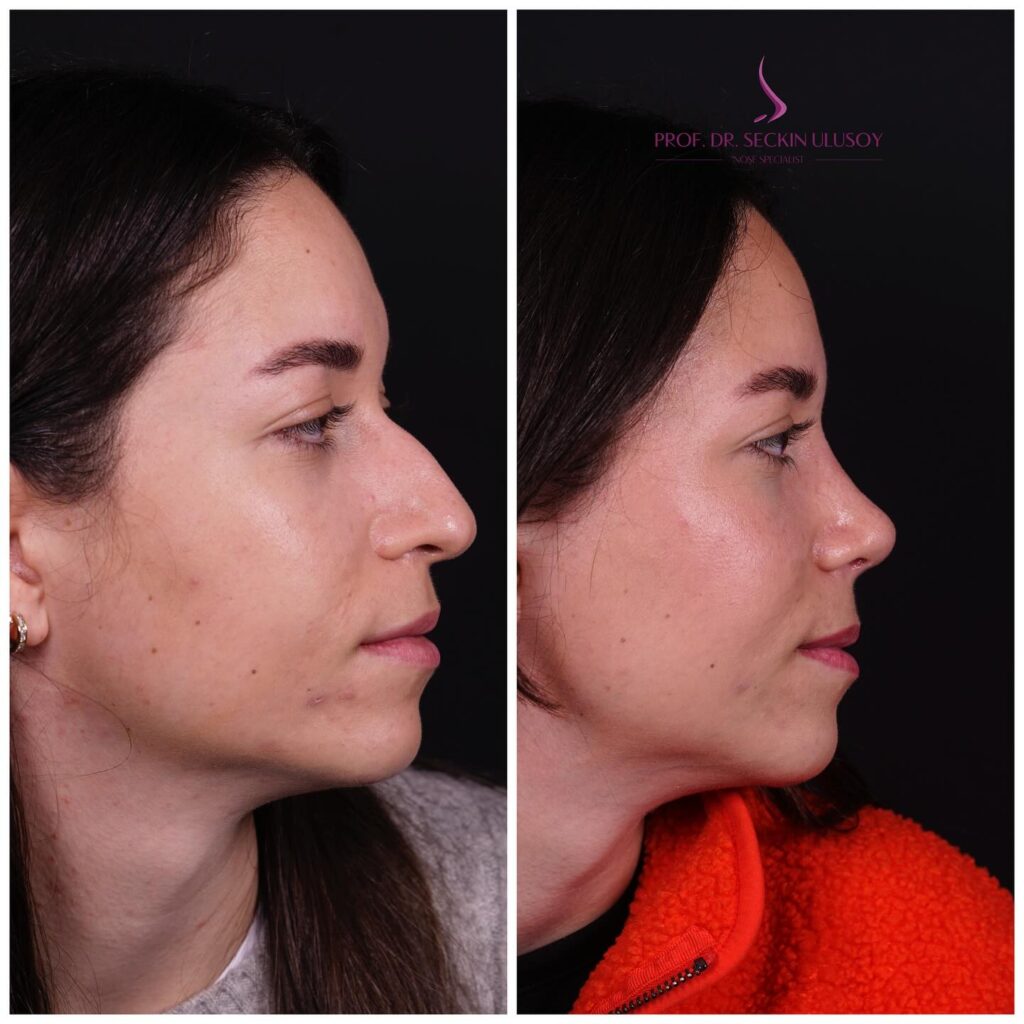
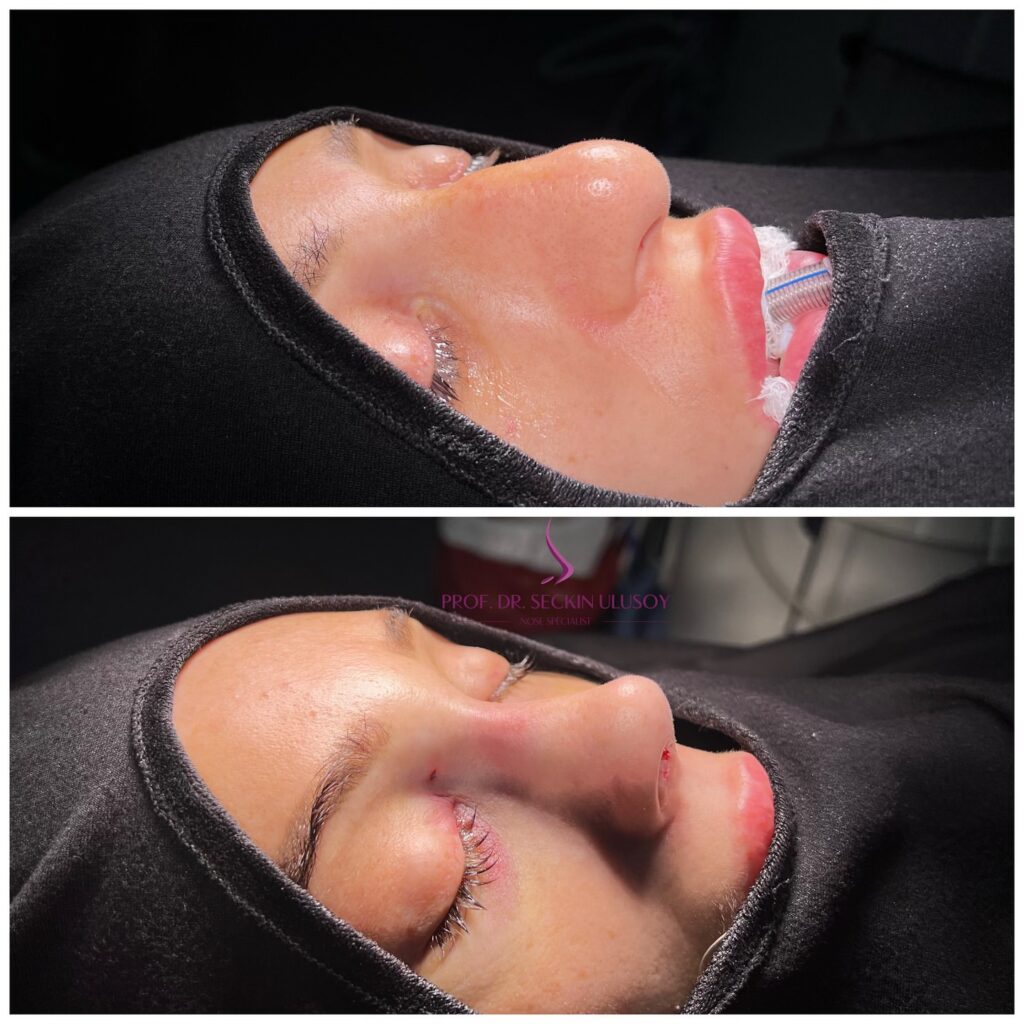
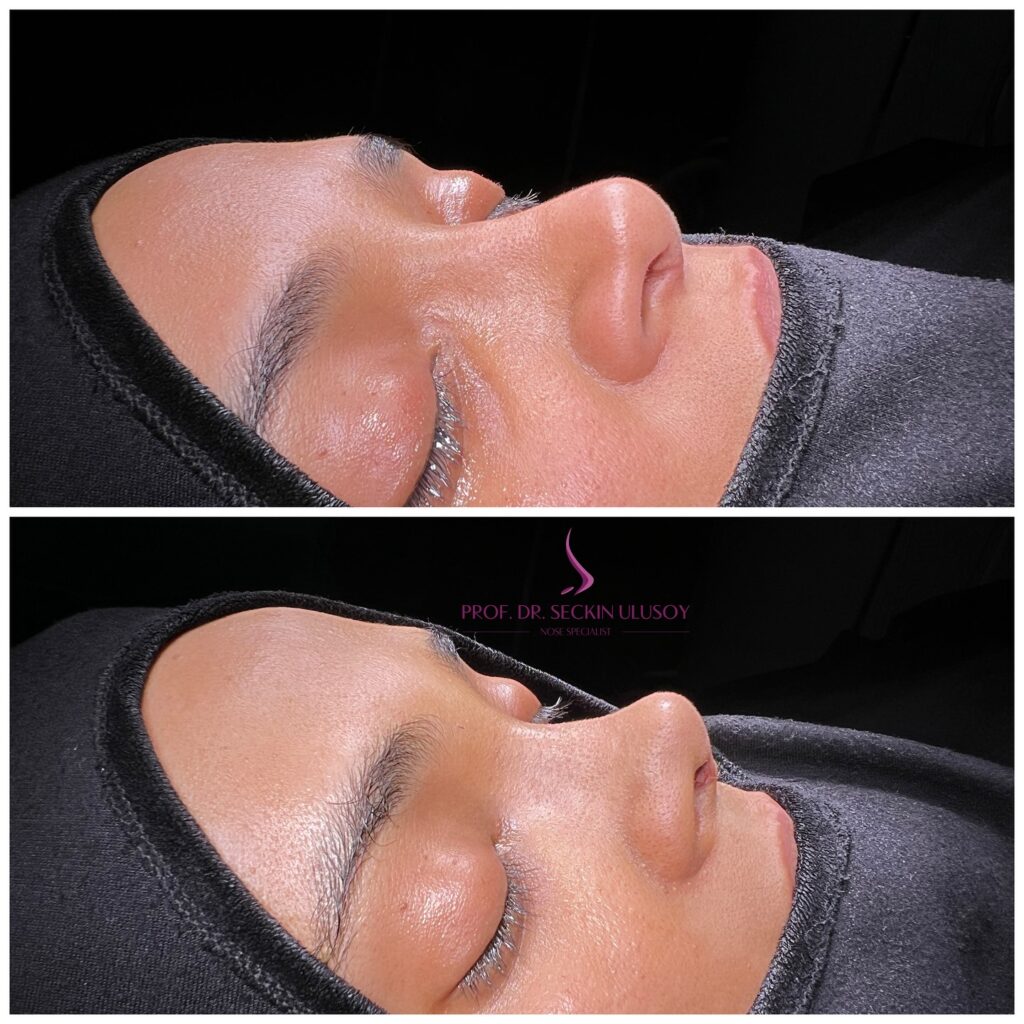
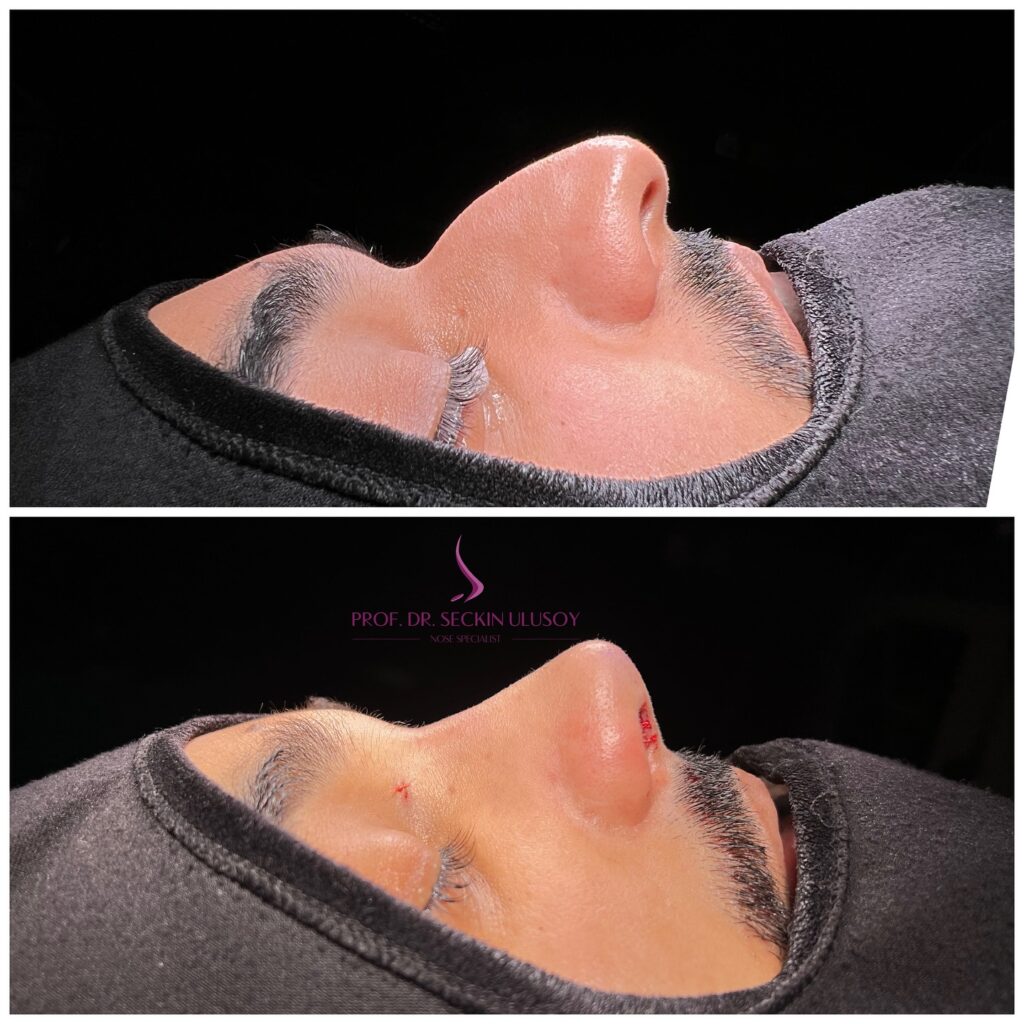
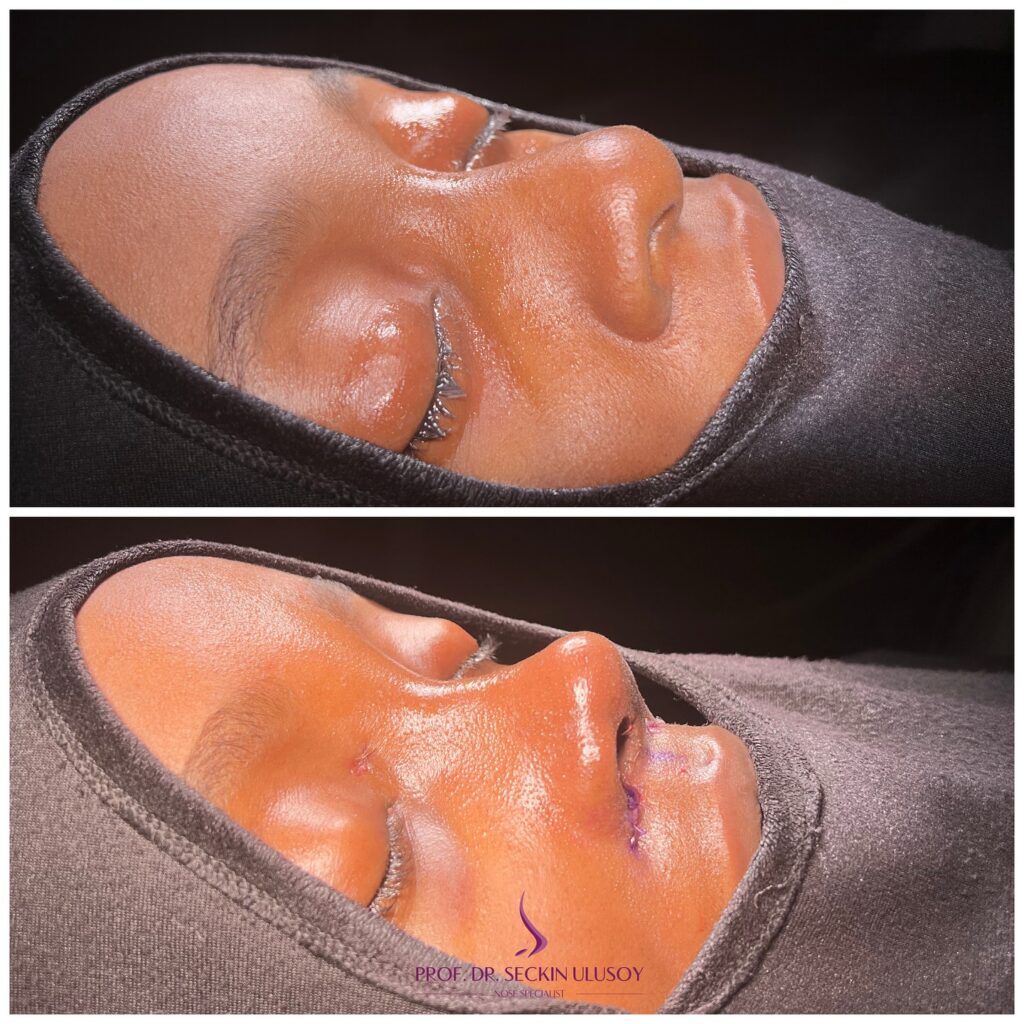
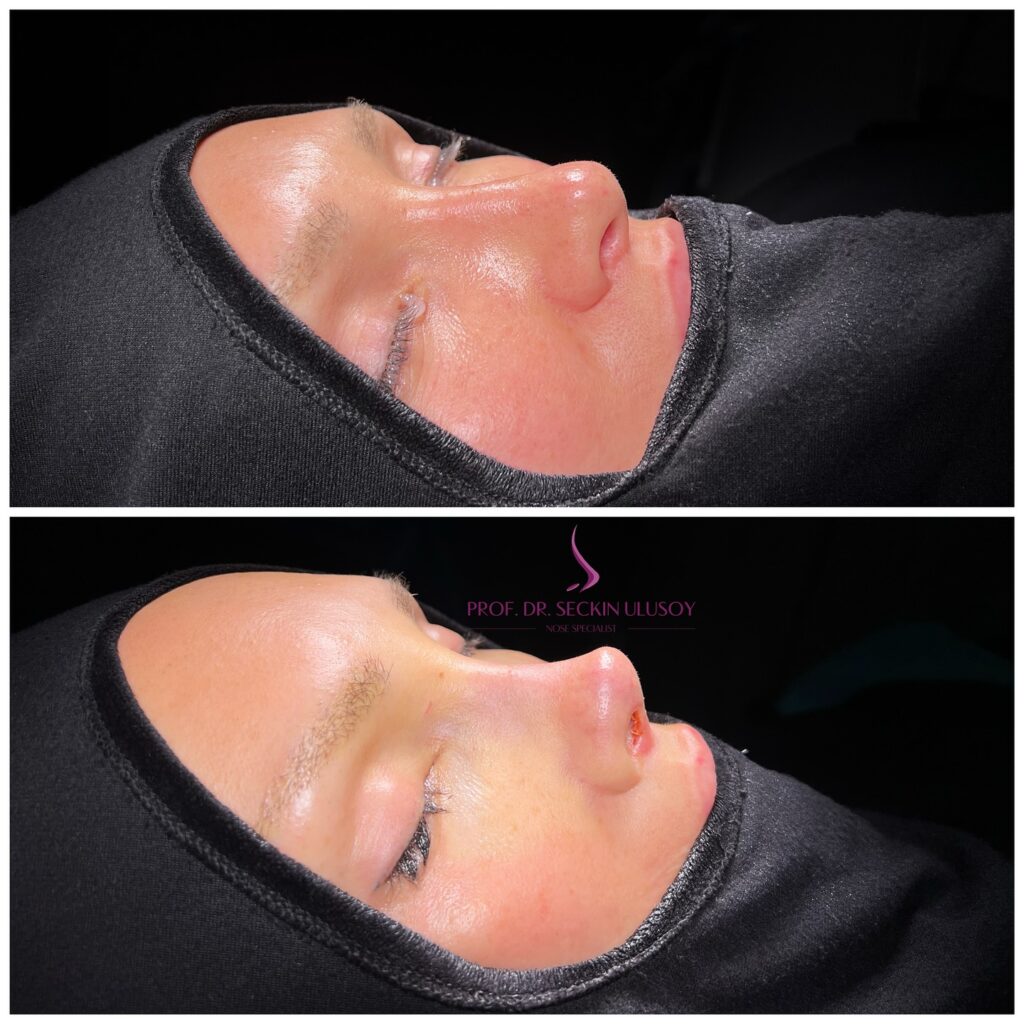
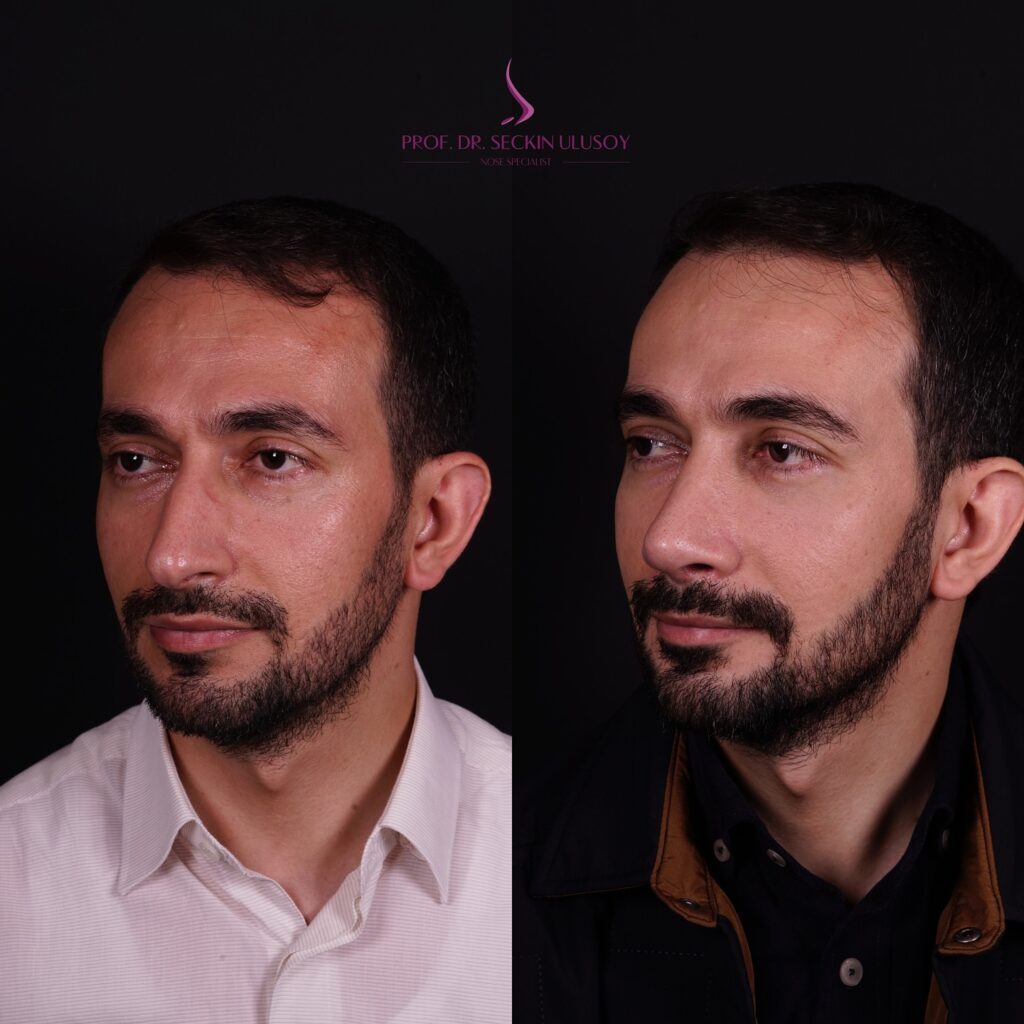
Absolutely not. Rhinoplasty is perhaps the surgery in which aesthetics and function are most closely intertwined. The purpose of a successful rhinoplasty is not only to create a natural and aesthetically pleasing nose that is harmonious with the face but also to ensure that the patient can breathe comfortably and healthily. The ENT specialist’s deep knowledge of nasal anatomy and physiology comes into play at this point.
Types of Rhinoplasty:
- Rhinoplasty Surgery
- Revision Rhinoplasty
- Ethnic Rhinoplasty
- Functional Rhinoplasty
- Ultrasonic Piezo Rhinoplasty
- Barbie Rhinoplasty
- Nasal Tip Surgery (Tipplasty)
- Closed Rhinoplasty
- Septoplasty
- Broken Nose (Nasal Fracture) Surgery
- Nasal Bone Rasping Surgery
- Open Rhinoplasty
- Hump Nose Rhinoplasty
- Natural-Looking Rhinoplasty
- Wide Nose Rhinoplasty
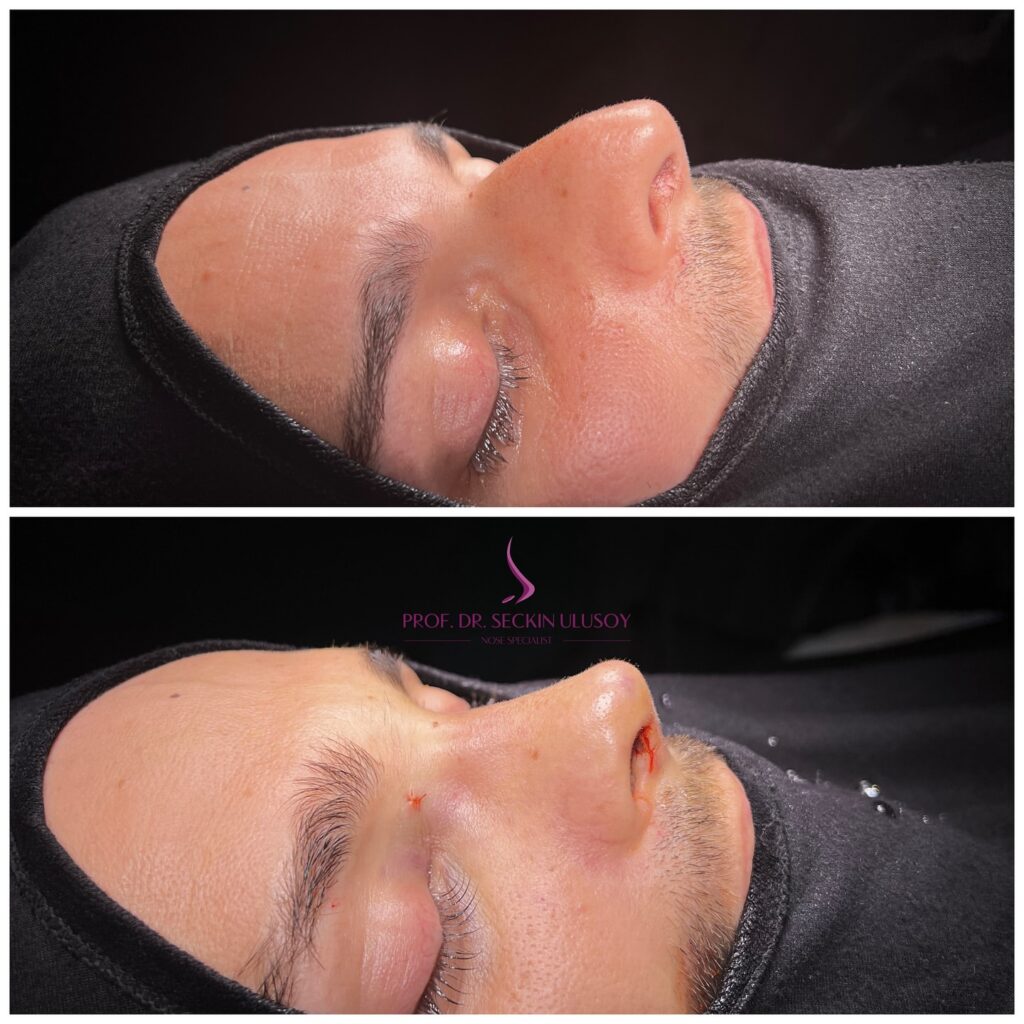
- Male Rhinoplasty
The objectives of rhinoplasty surgery are as follows:
- Aesthetic Objectives
- Correction of the nasal hump
- Shaping the nasal tip (lifting, refining)
- Reducing the nostrils or achieving symmetry
- Eliminating curvature on the nasal dorsum or sides
- Functional Objectives
- Correcting septal deviation (internal curvature) that obstructs breathing
- Reducing enlarged nasal turbinates
- Repairing deformities caused by trauma
- Eliminating problems such as nasal valve stenosis
Many patients notice that they can breathe much more comfortably than before after rhinoplasty surgery. This is because a well-planned rhinoplasty addresses both the outside and inside of the nose as a whole. This is one of the greatest advantages offered by the combination of ENT and Facial Plastic Surgery expertise.
What Are the Non-Surgical Facial Rejuvenation Methods?
Surgery is not always the only option. Today, there are many effective and safe non-surgical aesthetic procedures used without the need for surgery or to support surgical results. When applied by a specialist who knows facial anatomy in the finest detail, highly natural and satisfying results can be achieved with these methods.
Commonly applied non-surgical facial rejuvenation methods include:
- Botulinum Toxin Injections
- Filler Injections (Hyaluronic Acid)
- Laser Skin Rejuvenation
- Chemical Peeling
- Mesotherapy and PRP
Botulinum toxin is used to temporarily smooth wrinkles caused by facial expression muscles, especially in areas such as the forehead, between the eyebrows, and around the eyes. Filler injections are preferred to replace facial volume loss that develops over time, fill deep lines, and make areas such as the cheekbones and jawline more prominent. When performed by skilled hands, these procedures eliminate the shadows that give a person a tired or sad expression, creating a more rested, fresh, and youthful appearance.